

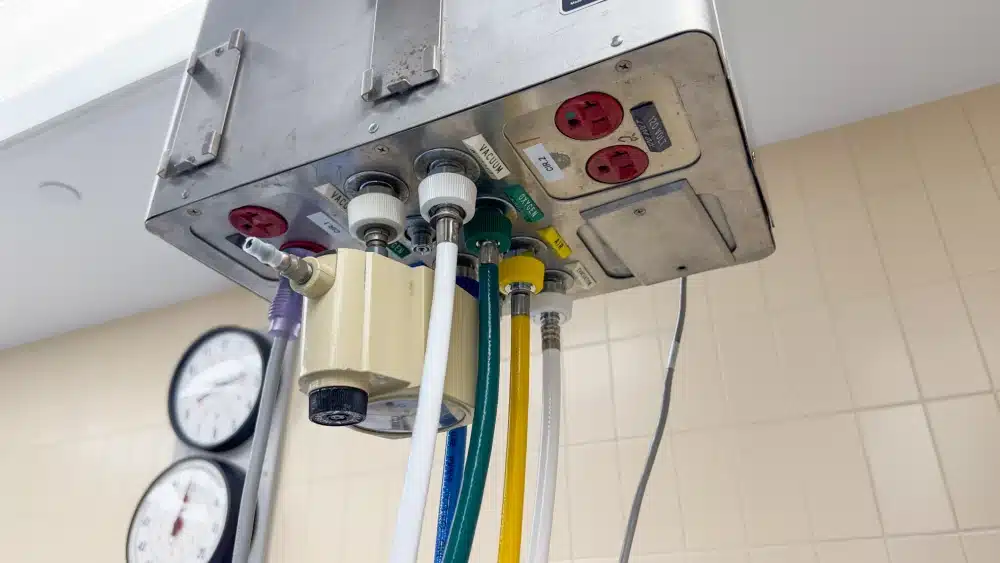
First responders depend on a continuous and controlled supply of compressed air and gas products to support critical operations in emergency medicine, fire response, and rescue missions. These include breathable air compressor systems, and compressed gas equipment used in both field operations and hospital environments. The reliability of these systems directly affects patient care, responder safety, and operational continuity. Behind these supply systems is a network of industrial compressed air and gas providers, engineering firms, and equipment manufacturers that design and maintain the infrastructure required for consistent performance under demanding conditions.
Why Gas Products Matter in Emergency Work?
Compressed Gas products are a working part of emergency response operations. Firefighters rely on compressed breathing air systems to operate safely in smoke-filled or oxygen-depleted environments. Medical teams use compressed gases to support patients during transport and treatment. Rescue units depend on pneumatic tools powered by compressed air to gain access during structural incidents.
These systems are built for reliability. Any disruption in supply or pressure stability can affect response time and safety outcomes. That is why first responder systems are typically built with redundancy and supported by industrial-grade equipment designed for continuous operation.
Medical Compressed Air in Emergency Care
Medical compressed air is used in hospitals, ambulances, and air transport units as a clean and regulated air source for respiratory support equipment. It feeds ventilators, anesthesia machines, and patient monitoring systems that require controlled airflow.
This air must be processed to remove oil, moisture, and particulate matter before use. Hospitals and emergency vehicles typically rely on centralized compressor systems or on-site generation units that supply air directly into their medical gas pipeline systems. These setups allow medical teams to maintain consistent airflow during patient care without depending solely on external cylinder delivery.
How First Responders Receive Their Compressed Gas Supply
Gas supply for emergency services is typically sourced through three main channels: industrial gas suppliers, medical gas distribution networks, and on-site compressor and generation systems installed directly in hospitals or emergency response facilities.
There is a clear shift toward on-site production systems, primarily because they reduce reliance on delivered cylinders and support uninterrupted availability. These systems combine compressors, filtration units, storage tanks, and monitoring controls to maintain consistent pressure and air quality. In emergency environments, this setup allows facilities to continue operating even when external supply chains are delayed or disrupted.
Companies such as Universal Air & Gas Products are involved in the engineering and support of these types of systems across healthcare and industrial facilities. Their work centers on integrated compressed air and gas solutions designed for environments where consistent performance and system reliability are required. This includes the design and support of compressed air systems, vacuum systems, and gas distribution networks used in both medical and industrial applications.
Equipment That Supports Field Operations: Air Compressors
Air compressors form the operational base of most gas supply systems used in emergency response environments. Oil-free compressors are commonly used in medical settings where air purity is required. Portable compressors are deployed in field operations where mobility is necessary.
One example seen in industrial and emergency support applications is the mako air compressor. This type of unit is used in situations that require compact design and consistent output, such as mobile response units, fire service support vehicles, and temporary medical stations. It supports both breathing air systems and pneumatic tools used during rescue operations.
Reliable Air and Gas Systems Start with the Right Support
When critical operations depend on a consistent air and gas supply, system design and engineering make a direct difference in performance. If you are responsible for facility operations, emergency readiness, or industrial systems, it is worth working with providers who understand the demands of continuous output and controlled delivery. Companies like Universal Air & Gas Products support these requirements through engineered system solutions built for real-world conditions. Connect with us to discuss system needs and keep your operations running without interruption.

